
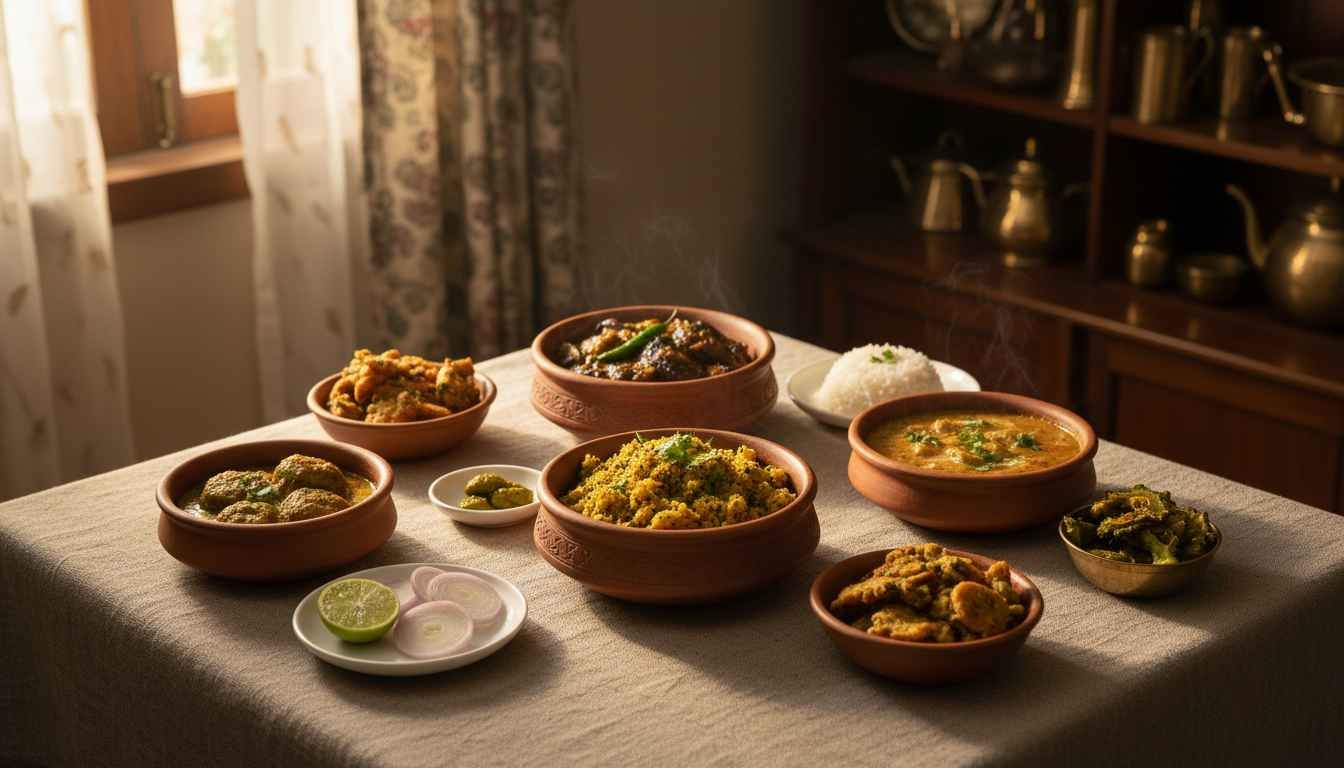
Quality over quantity. Bengali vegetarian cuisine is a celebration of subtle flavors, balanced textures, and seasonal vegetables. Unlike other Indian cuisines that rely heavily on spices, Bengali veg recipes focus on enhancing the natural taste of ingredients, making every dish comforting yet sophisticated. From mustard-infused curries to sweet lentil preparations, the richness of this cuisine lies in its simplicity.
Before You Start
To make the most of Bengali veg cooking, ensure you have the following essentials on hand: fresh seasonal vegetables like pumpkin, eggplant, and spinach; lentils such as moong dal and masoor dal; mustard seeds and mustard oil; poppy seeds and dried red chilies; and aromatic spices like turmeric, cumin, and bay leaves. A good quality non-stick pan or traditional clay pot will also elevate your cooking experience.
1. Shukto: A Classic Starter
Shukto is a quintessential Bengali mixed vegetable dish, often served at the start of a meal. The combination of bitter gourd, raw banana, and drumsticks with a hint of mustard paste creates a unique balance of flavors. According to culinary expert Ananya Sengupta, “Shukto embodies the Bengali philosophy of taste diversity in one plate – it teaches patience and subtlety in cooking.”
Begin by sautéing the vegetables in mustard oil, add turmeric and salt, and finish with a light paste of poppy seeds and mustard. Serve hot with steamed rice for the most authentic experience.
2. Aloo Posto: Minimalist Perfection
Aloo Posto is a dish that proves simplicity can be exquisite. Potatoes coated in a smooth poppy seed paste, gently sautéed with green chilies and mustard oil, offer comfort food at its finest. It’s a staple in most Bengali households, appreciated for its creamy texture and mild, nutty flavor.
Fresh ingredients are key. Sourcing high-quality potatoes and freshly ground poppy seeds can dramatically enhance the dish. For a reliable source of fresh produce and spices, consider browsing Kent’s, where quality ingredients for Bengali cooking are readily available.
3. Cholar Dal: Sweet and Savory Lentils
Cholar Dal is a Bengal-specific lentil dish made from split Bengal gram (chana dal), tempered with coconut, cumin, and ghee. The sweet undertone comes from a small amount of jaggery, perfectly balancing the spices. It’s commonly served during festive occasions but works beautifully as a weekday meal paired with rice or flatbreads.
The key to perfect Cholar Dal is patience. Cook the lentils on low heat until soft, and ensure the tempering is done just right to release aromatic oils. This dish highlights the Bengali technique of layering flavors rather than overwhelming the palate.
4. Lau Chingri without Seafood: Bottle Gourd Delight
While Lau Chingri traditionally includes shrimp, the vegetarian adaptation focuses on bottle gourd with subtle mustard and poppy paste. The soft, delicate texture of the gourd absorbs the spices beautifully. Mustard oil and green chilies provide the necessary zing without overpowering the natural sweetness of the vegetable.
Even though seafood is absent, this variation retains the essence of Bengal’s culinary style, making it accessible for vegans and vegetarians alike. Cook it low and slow to allow the flavors to meld perfectly.
5. Pui Shaak Posto: Leafy Greens Magic
Pui Shaak Posto is a simple yet nutritionally powerful dish made from malabar spinach or amaranth leaves. The greens are lightly blanched and coated in a poppy seed paste with a touch of mustard oil. It’s an ideal side dish for a rice-heavy meal.
The greens must be fresh and tender to avoid bitterness. Experts recommend washing and lightly drying them before cooking to preserve both flavor and nutrients. This dish exemplifies how Bengali cuisine transforms humble vegetables into culinary highlights.
6. Patol Bhaja: Crunchy Bitter Gourd Fry
Patol Bhaja is the fried bitter gourd preparation that balances bitterness with a hint of salt and turmeric. Sliced thinly and lightly fried, it can be enjoyed as a side dish or a snack. Despite its simplicity, this recipe demands precision to avoid soggy or overly bitter results.
Bitter gourd has numerous health benefits, including blood sugar regulation, making this dish both tasty and functional. As a bonus, frying in mustard oil adds the authentic Bengali aroma that elevates the dish from ordinary to memorable.
7. Shukto’s Sweet Cousin: Dhokar Dalna
Dhokar Dalna is a lentil cake curry made from ground chana dal and spices, steamed, and then fried before simmering in a tomato-based gravy. It’s a protein-rich dish that feels indulgent without being heavy. The layered textures – from firm lentil cakes to smooth curry – make it a favorite among traditional households.
Cooking tip: Fry the lentil cakes lightly until golden brown for a satisfying crunch that contrasts beautifully with the gravy. This dish shows the intricate skill behind Bengali vegetarian recipes and why mastery requires patience and care.
Potential Drawbacks
Not every Bengali veg recipe is for everyone. Dishes like Shukto and Patol Bhaja, which incorporate bitter elements, may not appeal to all taste buds. Additionally, some recipes require long preparation times and access to fresh, specific ingredients, which might be challenging for beginners or those in regions without specialty stores. Over-reliance on mustard oil can also be too pungent for unaccustomed palates.
Final Thoughts
Bengali vegetarian cuisine is a masterclass in balancing flavors and textures. While the dishes may appear simple, achieving authentic taste requires attention to detail and quality ingredients. From mustard-rich curries to delicate lentil preparations, these recipes highlight the ingenuity and heart of Bengali culinary tradition. Exploring these recipes is not just cooking – it’s an education in taste, patience, and respect for ingredients.
