
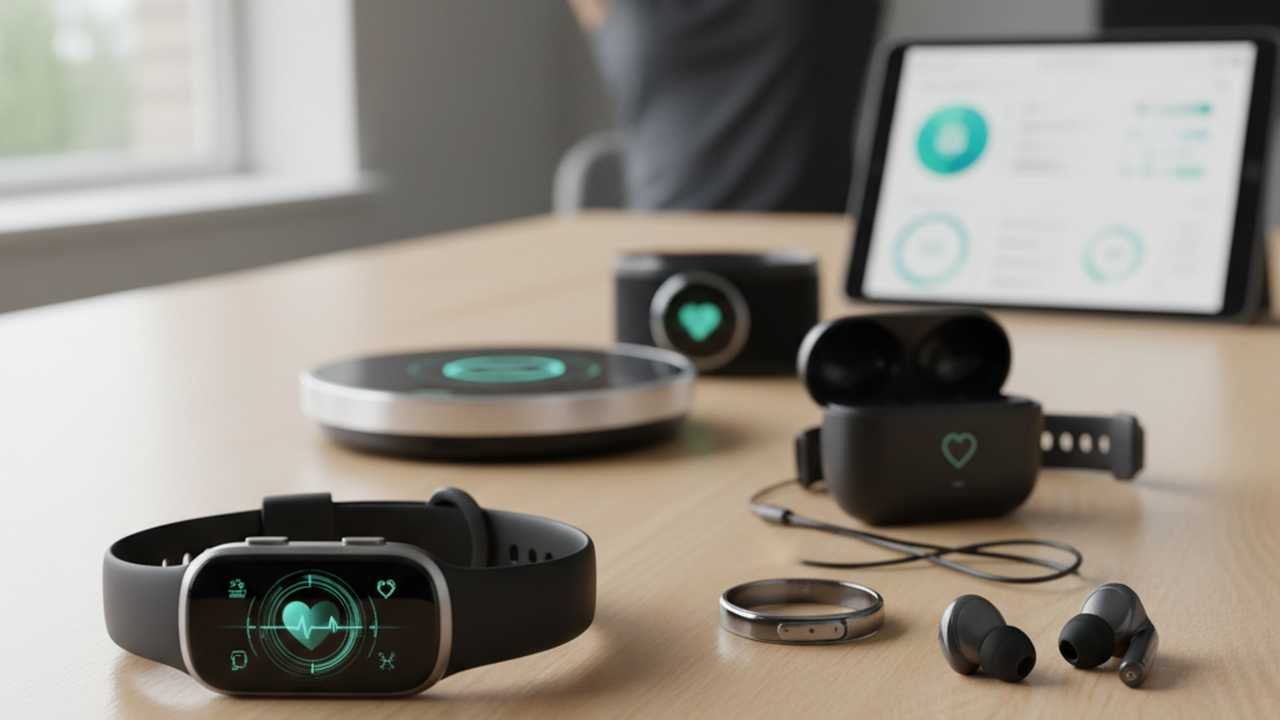
In 2025, wearable technology has transcended its role as a mere accessory, evolving into a vital component of modern health, fitness, and lifestyle management. These devices, ranging from smartwatches to advanced health monitors, have become indispensable tools for individuals seeking to optimize their well-being. The integration of artificial intelligence, real-time data analytics, and personalized insights has revolutionized how we approach daily health practices. This article delves into the transformative impact of wearable devices, highlighting their significance in enhancing health, fitness, and lifestyle, and underscores the urgency of embracing this technological advancement.
The Surge of Wearable Technology in Health and Fitness
The proliferation of wearable devices has marked a significant shift in personal health management. No longer confined to fitness enthusiasts, these gadgets have become mainstream, with individuals from all walks of life incorporating them into their daily routines. Smartwatches and fitness trackers now offer a plethora of features, including heart rate monitoring, sleep tracking, step counting, and even ECG capabilities. For instance, the WHOOP 5.0, launched in May 2025, introduces a blood pressure wellness feature and an FDA-cleared ECG and Heart Screener, providing users with comprehensive health insights in real time. Such advancements empower users to monitor their health metrics continuously, facilitating proactive management of their well-being.
Furthermore, the integration of AI in these devices has enhanced their functionality. AI algorithms analyze data collected by wearables to provide personalized recommendations, identify potential health risks, and offer insights into improving sleep patterns, stress levels, and physical activity. This intelligent analysis transforms raw data into actionable information, enabling users to make informed decisions about their health. The ability to receive real-time feedback and guidance has made wearable technology an essential tool for individuals aiming to maintain or improve their health and fitness levels.
Enhancing Lifestyle through Wearable Devices
Beyond health and fitness, wearable devices have significantly impacted lifestyle management. These gadgets serve as constant companions, offering reminders, notifications, and insights that help users navigate their daily lives more efficiently. For example, smartwatches can alert users to upcoming appointments, provide traffic updates, and even offer suggestions for healthy meals based on dietary preferences and goals. The seamless integration of these devices into daily routines has made them indispensable for individuals seeking to streamline their activities and enhance productivity.
Moreover, wearable devices have facilitated a deeper connection between individuals and their environment. Sensors embedded in these gadgets can monitor environmental factors such as air quality, UV exposure, and noise levels, providing users with information to make healthier lifestyle choices. This awareness empowers individuals to take preventive measures against environmental stressors, contributing to overall well-being. The holistic approach of wearable technology addresses various aspects of lifestyle, promoting a balanced and health-conscious way of living.
Real-Time Health Monitoring and Early Detection
One of the most significant advantages of wearable devices is their ability to provide real-time health monitoring. Continuous tracking of vital signs such as heart rate, blood oxygen levels, and sleep patterns allows users to detect anomalies promptly. Early detection of irregularities can lead to timely interventions, potentially preventing serious health issues. For instance, wearable devices can alert users to elevated heart rates or irregular rhythms, prompting them to seek medical advice before conditions worsen.
Additionally, the data collected by these devices can be shared with healthcare providers, enabling remote monitoring and consultations. This capability is particularly beneficial for individuals managing chronic conditions, as it allows for consistent tracking without frequent visits to healthcare facilities. The convenience and efficiency of remote health monitoring have made wearable devices an integral part of modern healthcare, bridging the gap between patients and providers and ensuring continuous care.
Empowering Fitness Goals with Wearable Technology
For fitness enthusiasts, wearable devices offer a wealth of features to enhance workout routines and track progress. Advanced sensors measure various metrics such as calories burned, distance traveled, and workout intensity, providing users with detailed insights into their performance. Some devices also offer personalized training plans and recovery suggestions based on individual goals and fitness levels, optimizing workout efficiency.
Moreover, the integration of social features in wearable devices has fostered a sense of community among users. Many platforms allow individuals to share achievements, participate in challenges, and motivate each other, creating a supportive environment for fitness journeys. This social aspect not only enhances motivation but also promotes accountability, encouraging users to stay committed to their fitness goals. The combination of personalized insights and community support has made wearable technology a powerful ally in achieving fitness aspirations.
Sleep Optimization through Wearable Devices
Quality sleep is crucial for overall health and well-being, and wearable devices have emerged as valuable tools in optimizing sleep patterns. These gadgets monitor sleep stages, duration, and disturbances, providing users with comprehensive insights into their sleep quality. By analyzing this data, wearables can offer personalized recommendations to improve sleep hygiene, such as adjusting bedtime routines or modifying environmental factors like room temperature and lighting.
Furthermore, some wearable devices can detect sleep disorders such as sleep apnea by monitoring breathing patterns and oxygen levels during sleep. Early identification of such conditions allows for timely intervention and management, preventing potential health complications. The ability to track and improve sleep quality through wearable technology has empowered individuals to prioritize rest and recovery, contributing to enhanced overall health.
Stress Management and Mental Well-Being
In the fast-paced world of 2025, managing stress has become a priority for many individuals, and wearable devices play a pivotal role in this endeavor. These gadgets monitor physiological indicators of stress, such as heart rate variability and skin temperature, providing users with real-time feedback on their stress levels. By recognizing stress triggers and patterns, individuals can implement coping strategies to mitigate its effects.
Additionally, some wearable devices offer guided breathing exercises, meditation prompts, and mindfulness reminders to promote relaxation and mental clarity. The integration of these features into daily routines has facilitated a more balanced approach to mental health, encouraging individuals to take proactive steps in managing stress. The accessibility and convenience of wearable technology have made it easier for users to incorporate stress management practices into their lives, fostering improved mental well-being.
Data Privacy and Security Considerations
As wearable devices collect sensitive health data, concerns regarding data privacy and security have emerged. Users entrust these gadgets with personal information, including heart rate, sleep patterns, and activity levels, necessitating robust measures to protect this data. Reputable manufacturers implement encryption protocols, secure data storage, and transparent privacy policies to safeguard user information.
Moreover, users are encouraged to review privacy settings and permissions regularly, ensuring that data sharing aligns with personal preferences. Being informed about how data is collected, stored, and utilized empowers users to make conscious decisions about their digital health footprint. The commitment to data privacy and security is paramount in maintaining trust and confidence in wearable technology, ensuring its continued success and adoption.
The Future of Wearable Technology in Health and Lifestyle
The trajectory of wearable technology indicates continued innovation and integration into various aspects of health and lifestyle. Emerging trends include the development of more advanced sensors capable of monitoring additional health metrics, such as glucose levels and hydration status. The incorporation of augmented reality and virtual reality features is also on the horizon, offering immersive experiences for fitness training and rehabilitation.
Furthermore, the expansion of interoperability among devices and platforms will facilitate seamless data sharing and integration, enhancing the overall user experience. As technology evolves, wearable devices will become even more personalized, intuitive, and indispensable in managing health and lifestyle. Embracing these advancements will empower individuals to take control of their well-being, leading to healthier and more fulfilling lives.
