
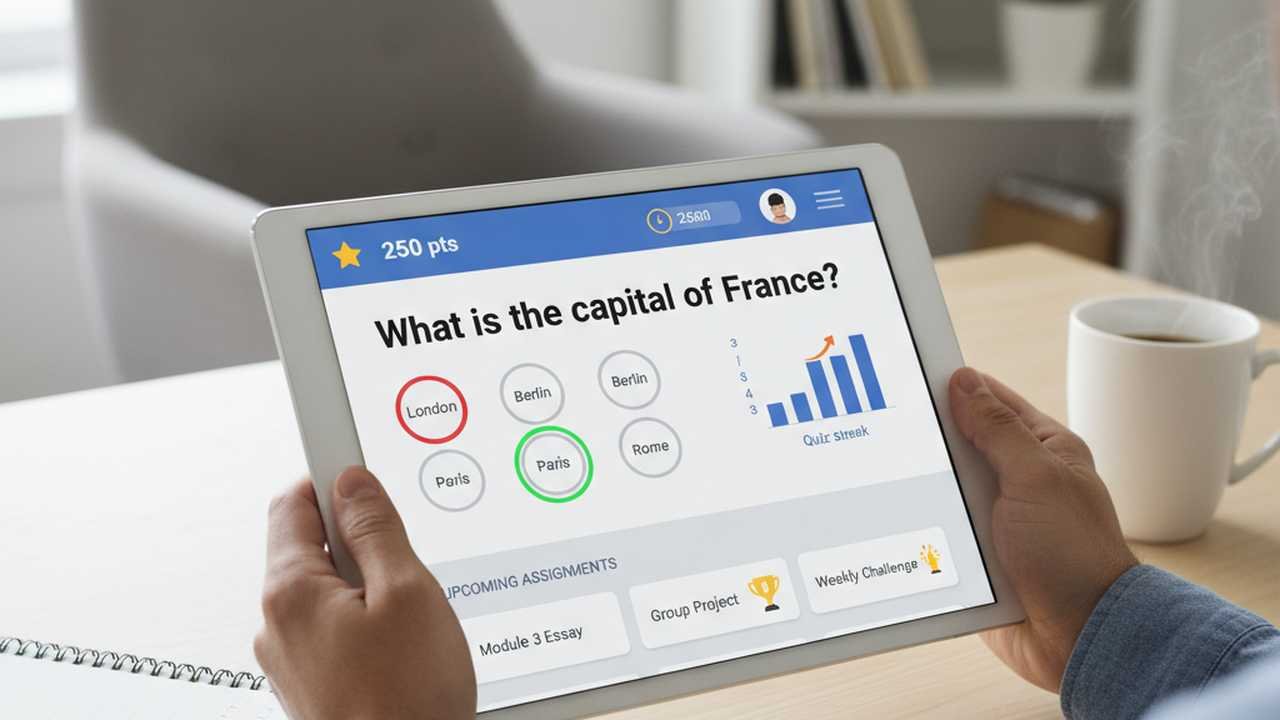
In the ever-evolving landscape of education, online learning platforms have emerged as pivotal catalysts for student engagement. At the heart of this transformation lies the integration of interactive quizzes and assignments, which not only assess knowledge but also actively involve learners in the educational process. This dynamic approach has been embraced by various educational trusts, aiming to enhance learning experiences and outcomes.
The Shift from Passive Learning to Active Engagement
Traditional educational methods often positioned students as passive recipients of information. However, the advent of online learning platforms has revolutionized this paradigm. By incorporating interactive quizzes and assignments, these platforms have shifted the focus towards active learning. Students are no longer mere spectators; they are participants, engaging with the material in real-time. This shift has been particularly beneficial in maintaining student interest and motivation, as the interactive elements provide immediate feedback and a sense of accomplishment.
Educational trusts have recognized the significance of this shift. By investing in platforms that offer interactive features, they aim to create learning environments that are both engaging and effective. These platforms allow for personalized learning experiences, catering to the individual needs of students. The integration of quizzes and assignments ensures that learning is not only about acquiring knowledge but also about applying it, thereby fostering a deeper understanding of the subject matter.
The Role of Interactive Quizzes in Enhancing Learning
Interactive quizzes serve as more than just assessment tools; they are instrumental in reinforcing learning. By presenting questions that challenge students to recall and apply information, quizzes promote critical thinking and problem-solving skills. The immediate feedback provided after each attempt helps learners identify areas of weakness and focus their efforts accordingly.
Platforms like Top Hat have leveraged this concept by incorporating in-class polls, quizzes, and discussions, AI-powered assistance, and personalized content. These features not only assess student understanding but also encourage participation and interaction, making learning more dynamic and engaging. Such platforms have become invaluable resources for educational trusts seeking to enhance the quality of education through technology.
Assignments as Tools for Deepening Understanding
Assignments, when designed effectively, can deepen a student’s understanding of the subject matter. Unlike quizzes that often focus on recall, assignments require students to synthesize information, think critically, and apply their knowledge to new situations. This process promotes higher-order thinking skills and encourages students to engage with the material on a deeper level.
Many online learning platforms offer assignments that are integrated with interactive elements, such as multimedia resources and discussion forums. This integration allows students to explore topics from multiple perspectives and collaborate with peers, further enhancing their learning experience. Educational trusts that support such platforms recognize the value of assignments in fostering a comprehensive understanding of content.
Gamification: Making Learning Enjoyable
Gamification involves incorporating game-like elements into the learning process to increase engagement and motivation. Features such as leaderboards, badges, and points systems create a sense of competition and achievement, encouraging students to participate actively and strive for excellence.
Platforms like Kahoot! have successfully implemented gamification strategies, offering quizzes and games that make learning enjoyable. These platforms have become popular among educators and students alike, as they transform the learning experience into an interactive and fun activity. Educational trusts that endorse such platforms aim to make learning a more enjoyable and rewarding experience for students.
Real-Time Feedback: Guiding Student Progress
Immediate feedback is crucial in the learning process. It allows students to understand their mistakes and correct them promptly, preventing the reinforcement of misconceptions. Online learning platforms provide real-time feedback through quizzes and assignments, enabling students to track their progress and make necessary adjustments to their learning strategies.
Educational trusts that invest in platforms offering real-time feedback contribute to the development of a learning environment where students can thrive. These platforms not only assess student performance but also provide insights into areas that require improvement, guiding students towards academic success.
Adaptive Learning Paths: Personalizing Education
Adaptive learning refers to the use of technology to tailor educational experiences to the individual needs of students. By analyzing student performance data, online learning platforms can adjust the difficulty level of quizzes and assignments, ensuring that each student is appropriately challenged.
Platforms like Mindsmith utilize adaptive learning technologies to create personalized learning paths for students. This approach ensures that students receive the support they need to succeed, promoting a more inclusive and effective learning environment. Educational trusts supporting such platforms demonstrate a commitment to personalized education.
Collaborative Learning: Building a Learning Community
Collaboration enhances learning by allowing students to share ideas, discuss concepts, and learn from one another. Online learning platforms facilitate collaborative learning through discussion forums, group assignments, and peer reviews, fostering a sense of community among learners.
Educational trusts that promote collaborative learning recognize its importance in developing communication and teamwork skills. By supporting platforms that encourage collaboration, they aim to prepare students for real-world challenges where teamwork and effective communication are essential.
Data-Driven Insights: Informing Instructional Strategies
Online learning platforms collect vast amounts of data on student performance, engagement, and progress. This data provides valuable insights that can inform instructional strategies, helping educators identify trends, strengths, and areas for improvement.
Platforms like ScoreApp offer analytics tools that allow educators to monitor student performance and adjust their teaching methods accordingly. Educational trusts leveraging such data-driven platforms can enhance the effectiveness of their educational programs, ensuring that they meet the needs of all learners.
Ensuring Accessibility: Reaching All Learners
Accessibility is a fundamental aspect of education. Online learning platforms strive to make learning accessible to all students, regardless of their location, background, or abilities. Features such as mobile compatibility, multilingual support, and assistive technologies ensure that education is inclusive and equitable.
Educational trusts that prioritize accessibility demonstrate a commitment to providing quality education to every student. By supporting platforms that offer accessible learning experiences, they contribute to the creation of an inclusive educational landscape.
To learn more about how online learning platforms can enhance educational experiences, especially in exceptionality special education, explore the tools they offer for assessment and progress tracking.
If you are interested in how online learning platforms shape the future of higher education governance, you’ll find insights that reveal their role in fostering ongoing professional development.
If you explore how online learning platforms foster collaboration, you’ll discover some interesting education facts that highlight the power of mentorship and peer learning in enhancing student success.
