
Unlocking the Full Potential of Multimedia in the Classroom
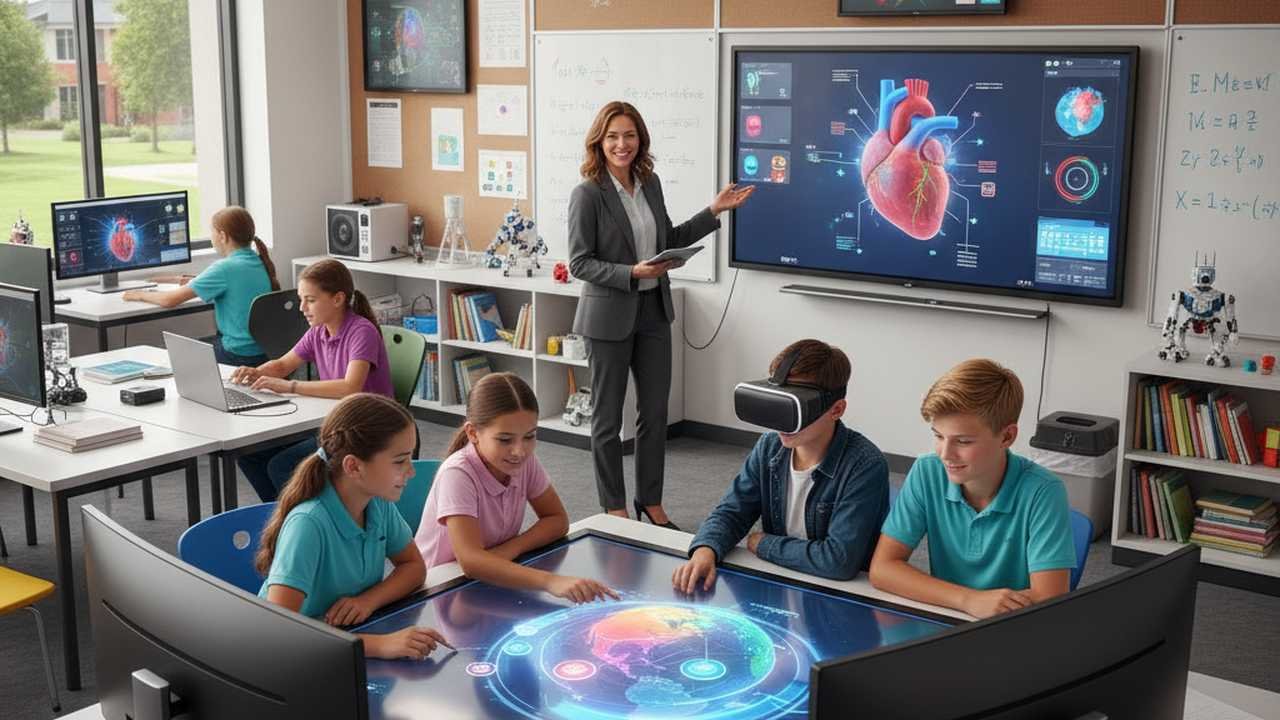
In today’s rapidly evolving educational landscape, the days of static chalkboards and monotonous lectures are slipping away, replaced by dynamic, interactive learning environments that captivate students’ senses and fuel their curiosity. Teachers who embrace multimedia – ranging from immersive videos and animated simulations to interactive quizzes and augmented reality experiences – can transform mundane lessons into electrifying journeys of discovery. Imagine a classroom where the vibrations of history echo through high-definition documentaries, or where students can manipulate 3D molecular structures with the swipe of a finger. This is not a distant fantasy but a tangible reality, and educators who hesitate risk falling behind. The urgency to adopt multimedia tools is palpable, as each day without these resources diminishes the opportunity to engage students in meaningful, memorable ways. Integrating multimedia is not merely a luxury – it’s a critical strategy to meet the expectations of modern learners, who are accustomed to vibrant, instant, and interactive experiences.
Interactive Learning: Transforming Passive Students into Active Participants
Traditional lecture-based teaching often leaves students as passive recipients of information, their engagement waning with each slide. Interactive learning flips this paradigm, inviting students to become co-creators of their knowledge. Through gamified learning platforms, live polling, collaborative digital whiteboards, and problem-solving simulations, students are no longer observers but active participants. Teachers who implement these strategies witness a dramatic increase in attention, retention, and comprehension. The tactile engagement of dragging virtual objects, the auditory cues of instant feedback, and the visual thrill of colorful infographics work together to create a multisensory learning ecosystem that stimulates every corner of the brain. Failing to integrate interactive resources today is akin to ignoring a roaring wave of innovation; those who wait will watch their students disengage, while proactive educators harness these tools to foster critical thinking, creativity, and collaboration. Recognizing the transformative power of these strategies is essential, particularly when supported by real-world data showing measurable improvements in student outcomes.
The Urgency of Staying Current in Educational Technology
In the digital age, technology evolves at an unprecedented pace, and teachers who lag behind risk irrelevance. The integration of multimedia and interactive learning resources is no longer optional – it is a pressing necessity. From AI-driven adaptive learning platforms to virtual reality field trips, the array of tools available to educators is staggering, and every day spent without them diminishes students’ engagement and learning potential. Reports from educational technology analysts indicate that classrooms leveraging interactive tools experience up to a 60% increase in student participation and retention, a figure too significant to ignore. Beyond metrics, the sensory impact of multimedia – bright visuals, immersive soundscapes, and interactive interfaces – creates a learning environment that students not only understand but genuinely enjoy. Teachers must act now, seeking professional development, trusted resources, and proven strategies to integrate technology effectively, ensuring their classrooms remain dynamic, relevant, and inspiring.
Practical Strategies for Multimedia Integration
Successful multimedia integration requires more than simply embedding videos or slides into lessons. It demands intentional planning, alignment with learning objectives, and a keen understanding of student needs. One approach is to leverage short, visually-rich video clips to introduce complex concepts, followed by interactive simulations that allow students to experiment and explore in a safe, virtual environment. For example, in a biology class, students can observe cellular processes in 3D and manipulate variables to see how outcomes change in real time. Teachers can also incorporate audio resources, such as podcasts and narrated tutorials, to accommodate diverse learning styles. Each multimedia element must complement, not overwhelm, the lesson, creating a cohesive and immersive experience. By strategically layering multimedia, educators can craft lessons that resonate emotionally, intellectually, and visually, ensuring students are not just present but fully immersed in the learning journey.
Harnessing Gamification to Boost Engagement
Gamification takes interactivity to the next level by transforming learning into a challenge, a competition, and a playful exploration. Points, badges, leaderboards, and interactive scenarios can make even abstract subjects compelling and tangible. Imagine a history class where students navigate a virtual map of 18th-century Europe, making strategic decisions that influence outcomes while learning critical facts along the way. Gamified experiences activate dopamine pathways, increasing motivation and reinforcing learning through immediate feedback. Research demonstrates that gamified learning can improve knowledge retention by as much as 50%, a compelling argument for its urgency. Teachers who fail to adopt gamification risk leaving students bored and disengaged, while those who act decisively cultivate a classroom buzzing with energy, curiosity, and a palpable drive to excel. The key is to design challenges that are rigorous, rewarding, and closely aligned with learning objectives.
Leveraging Nadine Sierra Education Insights
Drawing inspiration from experts like Nadine Sierra Education, educators can gain invaluable guidance on integrating multimedia and interactive learning effectively. Nadine Sierra’s research emphasizes evidence-based practices, ensuring that technology adoption is grounded in pedagogical theory and measurable outcomes. By examining case studies and real-world classroom implementations, teachers can avoid trial-and-error frustration and adopt proven methods that maximize engagement. Nadine Sierra Education highlights the importance of continuous feedback loops, personalized learning experiences, and leveraging analytics to track student progress, all while maintaining a secure, licensed, and responsive digital infrastructure. Following these principles allows educators to navigate the ever-evolving educational technology landscape confidently, ensuring their efforts are both impactful and sustainable. Teachers who embrace these insights position themselves at the forefront of modern pedagogy, capitalizing on resources that guarantee tangible results and student satisfaction.
Overcoming Challenges and Ensuring Accessibility
Despite the myriad benefits, integrating multimedia and interactive tools is not without challenges. Budget constraints, lack of technical expertise, and concerns about digital equity can hinder adoption. However, proactive strategies can mitigate these barriers. Open-source platforms, cloud-based tools, and scalable learning management systems make multimedia more accessible than ever. Ensuring that all students, regardless of background or ability, can benefit from these resources is paramount, involving adaptive interfaces, captioning, screen readers, and flexible pacing. Security is another critical factor; licensed software with verified payouts and responsive customer support ensures that educators can implement technology confidently and responsibly. By addressing these challenges head-on, teachers demonstrate not only technical proficiency but a commitment to equitable, high-quality education, reinforcing the credibility and reliability of their classroom practices.
Case Studies and Real-World Impact
Several schools have showcased the transformative power of multimedia integration. For instance, one high school implemented a blended learning model featuring interactive math simulations and gamified science labs, resulting in a 35% increase in test scores and unprecedented student enthusiasm. Another district incorporated virtual reality history tours, allowing students to “walk” through ancient civilizations, creating a visceral, unforgettable learning experience. Teachers report that students who previously struggled with abstract concepts now actively participate and even take initiative in group projects. These case studies underscore the urgency of embracing multimedia; waiting means missing out on measurable academic gains and the chance to cultivate a classroom culture driven by curiosity, creativity, and engagement. Real-world data affirms that multimedia and interactive learning resources are not supplementary – they are essential catalysts for student success.
Future-Proofing Your Classroom
Education is no longer a static field; it is a dynamic ecosystem shaped by technology, innovation, and evolving student expectations. Teachers who integrate multimedia and interactive resources are not only enhancing learning today but also future-proofing their classrooms. By fostering digital literacy, critical thinking, and adaptive skills, educators prepare students for a world where technology permeates every aspect of life. Staying ahead requires continuous professional development, collaboration with peers, and a willingness to experiment with new tools and methods. The opportunity to transform the classroom environment into an interactive, visually stimulating, and intellectually stimulating space is now, and hesitation risks leaving students disengaged. By adopting a forward-thinking approach grounded in trusted methodologies and real-world insights like those from Nadine Sierra Education, teachers can create vibrant, adaptive, and inspiring learning experiences that stand the test of time.
Immediate Action Steps for Educators
Time is of the essence for teachers seeking to revolutionize their classrooms with multimedia and interactive learning. Start by auditing your current lesson plans to identify areas where videos, simulations, and gamified activities can replace passive content. Explore platforms and resources endorsed by trusted sources such as Nadine Sierra Education to ensure credibility, security, and measurable outcomes. Join professional communities, attend webinars, and seek certifications to bolster your expertise and confidence. Implement pilot programs, collect feedback, and refine your approach iteratively. Each step taken today ensures students are engaged, motivated, and prepared for a digital-first world. The moment to act is now – every day of delay is a missed opportunity to ignite curiosity, deepen understanding, and build an interactive, thriving learning environment. Don’t let your classroom fall behind; embrace the full spectrum of multimedia tools and watch your students flourish with excitement, skill, and lasting knowledge.
