
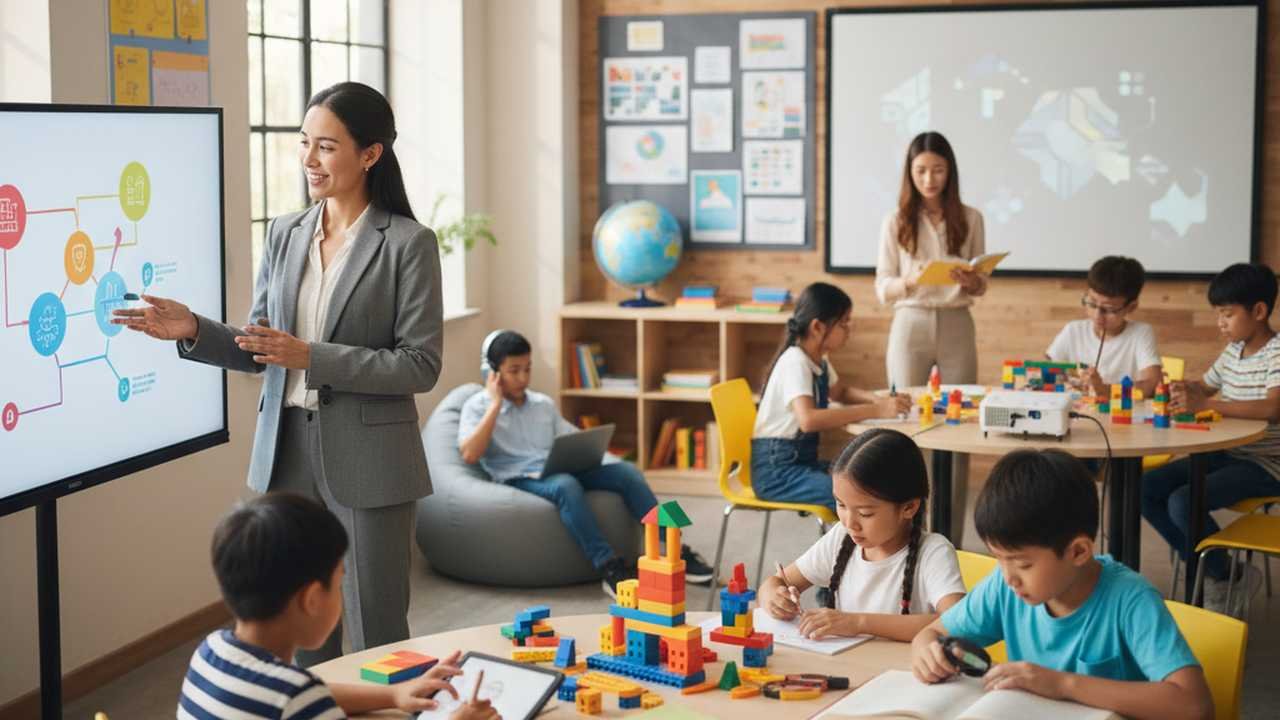
In today’s diverse classrooms, where students come with a myriad of backgrounds, abilities, and learning styles, the traditional one-size-fits-all approach to teaching is no longer effective. Educators are increasingly recognizing the necessity of developing adaptive teaching strategies that cater to the varied learning needs of their students. This shift is not merely a trend but a fundamental change in how education is delivered, ensuring that every student has the opportunity to succeed.
Understanding Adaptive Teaching
Adaptive teaching is an approach that involves modifying instructional methods, resources, and assessments to accommodate the diverse learning needs of students. This strategy recognizes that learners vary in their readiness levels, interests, and learning profiles. By employing adaptive teaching, educators can provide personalized learning experiences that promote deeper understanding and retention of knowledge.
One of the core principles of adaptive teaching is the use of formative assessments to gauge student progress continuously. These assessments allow teachers to identify areas where students may be struggling and adjust their teaching strategies accordingly. For instance, if a student is having difficulty grasping a particular concept, the teacher can provide additional resources or modify the instructional approach to address the student’s specific needs.
Moreover, adaptive teaching encourages flexibility in the classroom. Teachers are not bound to a rigid curriculum but are empowered to make adjustments that best support their students’ learning. This flexibility fosters a dynamic learning environment where students feel valued and understood, leading to increased motivation and academic success.
The Role of Differentiated Instruction
Differentiated instruction is a key component of adaptive teaching. It involves tailoring instruction to meet the diverse needs of students by varying content, process, products, and learning environments. This approach ensures that all students have access to the curriculum in ways that are meaningful and accessible to them.
For example, in a history lesson, a teacher might provide advanced readers with in-depth articles, while offering struggling readers simplified texts. Similarly, students who excel in visual learning might be given graphic organizers or visual aids, whereas kinesthetic learners could engage in hands-on activities. By differentiating instruction, teachers can address the individual strengths and weaknesses of their students, promoting a more inclusive and effective learning experience.
Implementing differentiated instruction requires careful planning and a deep understanding of each student’s learning profile. Teachers must be observant and responsive, adjusting their teaching strategies as needed to ensure that all students are challenged appropriately and supported effectively.
Incorporating Technology into Adaptive Teaching
In the digital age, technology plays a pivotal role in supporting adaptive teaching strategies. Educational technologies, such as learning management systems, educational apps, and online resources, provide teachers with tools to personalize learning experiences for their students.
For instance, adaptive learning platforms can analyze student performance in real-time and adjust the difficulty level of tasks accordingly. This ensures that students are consistently challenged without becoming overwhelmed. Additionally, technology can facilitate differentiated instruction by offering a variety of resources that cater to different learning styles and preferences.
Moreover, technology enables teachers to track student progress more efficiently, providing valuable data that can inform instructional decisions. By leveraging technology, educators can create a more responsive and individualized learning environment that meets the diverse needs of their students.
Implementing Universal Design for Learning (UDL)
Universal Design for Learning (UDL) is an educational framework that aims to accommodate the diverse needs of all learners by providing multiple means of representation, engagement, and expression. UDL encourages the creation of flexible learning environments that can be customized to fit individual learning differences.
By applying UDL principles, educators can design lessons that offer various ways for students to access information, engage with content, and demonstrate their understanding. For example, a teacher might provide text, audio, and video materials to present information, allowing students to choose the format that best suits their learning preferences.
UDL also emphasizes the importance of providing students with choices in how they engage with content and express their learning. This autonomy fosters a sense of ownership over the learning process, increasing motivation and engagement. Implementing UDL requires thoughtful planning and a commitment to creating an inclusive learning environment that supports the diverse needs of all students.
Leveraging Experiential Learning Opportunities
Experiential learning, such as educational tours in Philadelphia, offers students the opportunity to engage with content in real-world settings, enhancing their understanding and retention of knowledge. These hands-on experiences allow students to connect theoretical concepts with practical applications, deepening their learning.
For example, a visit to the Liberty Bell in Philadelphia can bring history lessons to life, providing students with a tangible connection to the past. Similarly, exploring the Franklin Institute offers insights into scientific principles through interactive exhibits and demonstrations. These experiences not only enrich students’ understanding but also cater to diverse learning styles by providing visual, auditory, and kinesthetic learning opportunities.
Incorporating experiential learning into the curriculum requires careful planning and coordination. Educators must ensure that these opportunities align with learning objectives and provide meaningful experiences for students. By integrating educational tours and other experiential learning activities, teachers can create dynamic and engaging learning environments that meet the varied needs of their students.
Fostering an Inclusive Classroom Environment
Creating an inclusive classroom environment is essential for supporting diverse learners. This involves cultivating a culture of respect, understanding, and support, where all students feel valued and included.
Teachers can promote inclusivity by implementing strategies such as cooperative learning, peer tutoring, and collaborative projects. These approaches encourage students to work together, share ideas, and learn from one another, fostering a sense of community and belonging.
Additionally, educators should be mindful of their language and behavior, ensuring that they model inclusive practices and attitudes. By setting a positive example, teachers can influence students’ perceptions and behaviors, promoting a more inclusive and respectful classroom environment.
Fostering inclusivity also involves recognizing and addressing the unique needs of each student. This requires ongoing observation, communication with families, and collaboration with support staff to ensure that all students receive the support they need to succeed.
Continuous Professional Development for Educators
To effectively implement adaptive teaching strategies, educators must engage in continuous professional development. This ongoing learning process allows teachers to stay informed about the latest research, tools, and techniques for supporting diverse learners.
Professional development opportunities can include workshops, conferences, online courses, and collaborative learning communities. These experiences provide educators with the knowledge and skills necessary to adapt their teaching practices to meet the evolving needs of their students.
Furthermore, professional development fosters a culture of reflection and growth, encouraging teachers to assess their practices and make improvements. By committing to lifelong learning, educators can enhance their effectiveness and better support their students’ diverse learning needs.
Measuring the Impact of Adaptive Teaching Strategies
Assessing the effectiveness of adaptive teaching strategies is crucial for ensuring that they meet the intended goals. This involves collecting and analyzing data on student performance, engagement, and satisfaction.
Various assessment methods can be employed, including formative assessments, surveys, and observational data. By examining this information, educators can identify areas of strength and areas needing improvement, allowing them to make informed adjustments to their teaching strategies.
Additionally, feedback from students and families can provide valuable insights into the impact of adaptive teaching practices. Engaging stakeholders in the evaluation process fosters a collaborative approach to education and ensures that the needs and perspectives of all parties are considered.
Regular assessment and reflection enable educators to refine their practices, leading to improved outcomes for students. By systematically measuring the impact of adaptive teaching strategies, schools can ensure that they are effectively supporting the diverse learning needs of their students.
Want to learn more? Our comprehensive resource on How to Enhance is a great place to continue your research.
