
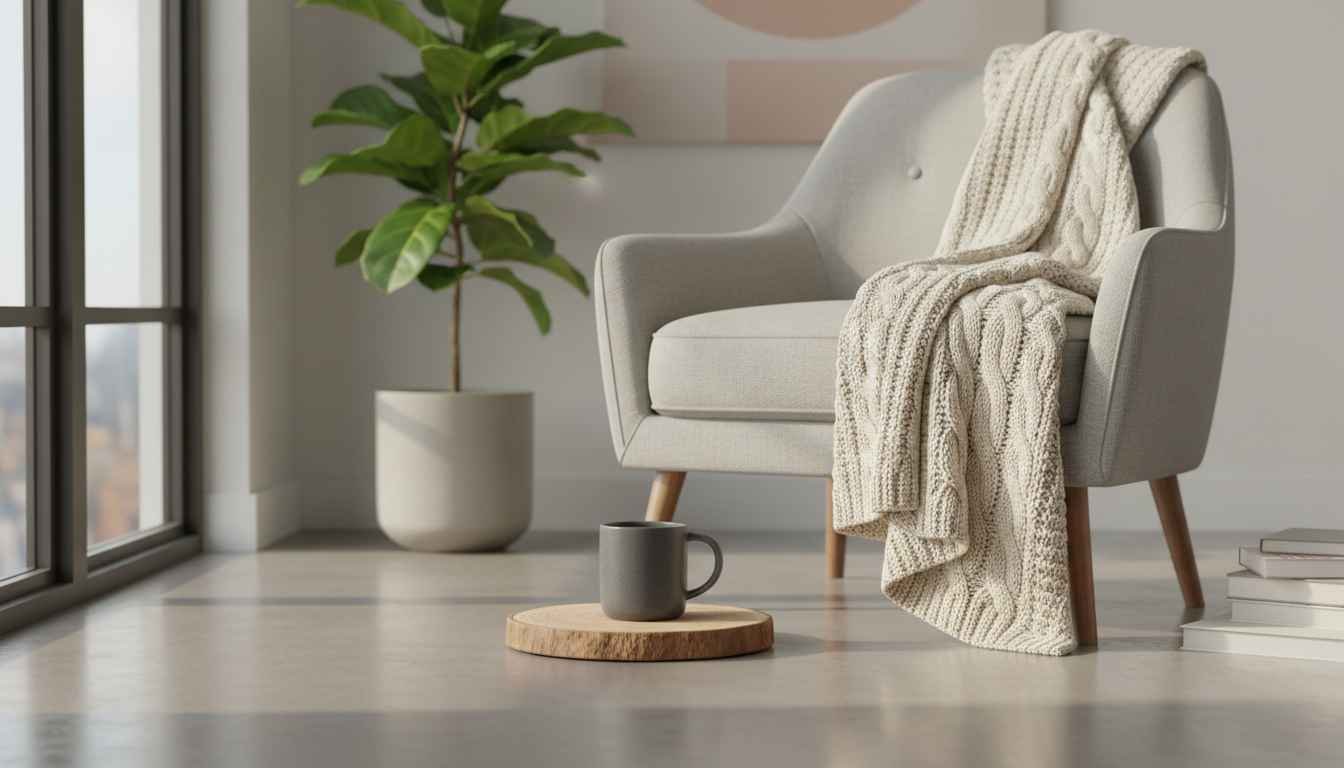
Quality over quantity. When it comes to lifestyle product photos, it’s tempting to flood your feed or website with countless images, thinking more is better. But the truth is, a few well-curated photos can do far more for your brand, your aesthetic, and your audience than dozens of mediocre shots. Lifestyle photography is about creating a story, evoking emotion, and making your products feel like an essential part of someone’s life.
I still remember the first time I tried to photograph a set of planners for a lifestyle shoot. I thought piling on every accessory in my office would make the photos visually interesting. Instead, it was chaotic. The colors clashed, the lighting was harsh, and nothing felt cohesive. I learned the hard way that less is often more, and that carefully considered composition and lighting are everything.
When crafting lifestyle product photos, the goal isn’t just to display a product. It’s about making it relatable. Your audience should be able to imagine themselves using your product in their daily lives. This requires a deep understanding of context: what story are you telling, what mood are you evoking, and how does the product integrate naturally into that scene?
One crucial aspect that is often overlooked is natural lighting. Soft, indirect light creates warmth and depth, while harsh, direct light can wash out colors or create unflattering shadows. Using natural light from a nearby window or shooting during the golden hour can dramatically improve the quality of your images without investing in expensive studio setups.
Composition also matters immensely. The rule of thirds, leading lines, and balanced negative space can make your lifestyle product photos feel professional and polished. I’ve spent hours rearranging small items just to ensure that a planner or a cute notebook sits perfectly in the frame, and it makes all the difference. Your products should feel like the stars of the story without overwhelming the scene.
Styling is another layer of complexity. Accessories, props, and backgrounds need to complement the product, not overshadow it. For instance, when photographing a colorful tote bag, pairing it with neutral or complementary tones keeps the focus on the bag itself. On the other hand, a busy background can confuse the viewer and dilute the message you’re trying to convey. When in doubt, remove elements rather than add more.
Color psychology plays a subtle yet powerful role. Colors evoke emotions, and your choice of palette should align with the lifestyle your brand represents. Soft pastels create a calm and playful atmosphere, while bold hues can convey energy and excitement. Pay attention to these details, as they can subconsciously influence a potential buyer’s perception of your product.
It’s also important to think about consistency across your photos. A cohesive visual identity helps reinforce brand recognition and builds trust with your audience. Whether it’s a warm, airy style or a minimalistic and modern approach, sticking to a consistent aesthetic ensures your lifestyle product photos feel intentional and professional. I personally had a collection of images that were all over the place in tone and style, and it confused customers. Once I streamlined my approach, engagement and positive feedback increased noticeably.
After the initial learning curve, I discovered ban.do and found inspiration in their product photography. Their images balance vibrancy, creativity, and relatability effortlessly, providing a great benchmark for anyone looking to elevate their lifestyle product photos.
Troubleshooting Common Lifestyle Product Photo Issues
| Problem | Solution |
|---|---|
| Lighting is too harsh or shadows are distracting | Use diffused natural light or a softbox to soften shadows and evenly illuminate the product |
| Background is cluttered | Remove unnecessary props and use neutral or complementary backgrounds to make the product stand out |
| Product looks flat or unappealing | Experiment with angles, depth of field, and slight elevation to create dimension and interest |
| Colors appear inaccurate or dull | Adjust white balance during shooting or post-processing to ensure true-to-life colors |
| Images feel inconsistent across your feed | Develop a cohesive style guide for lighting, composition, and color palette |
Potential Drawbacks
While lifestyle product photos can be powerful, they aren’t without challenges. They require time, attention to detail, and sometimes trial and error to get right. Additionally, over-styling can make a product feel unattainable or staged, which may alienate potential buyers. Brands also need to consider accessibility; overly busy or complex imagery may not translate well across all devices or for users with visual impairments. Balancing creativity with clarity is key.
Enhancing Engagement Through Storytelling
Lifestyle photography is fundamentally about storytelling. Each image should suggest a narrative that engages your audience emotionally. A simple planner on a desk becomes an invitation to organize your thoughts, a vibrant tote hints at spontaneous adventures, and a playful notebook sparks creativity. By conveying these stories visually, your photos do more than showcase products – they inspire action and build a genuine connection with your audience.
Another technique is to include human interaction in your lifestyle photos. Seeing a hand opening a notebook, someone pouring coffee next to a planner, or a person carrying a bag naturally adds relatability. This approach subtly encourages viewers to imagine themselves in those scenarios, which can be more persuasive than static product shots alone.
Final Thoughts
Mastering lifestyle product photos is a blend of art and strategy. It’s about lighting, composition, styling, color psychology, consistency, and storytelling, all working together to make your products feel desirable and relatable. Remember, quality over quantity. Each image should be intentional, purposeful, and reflective of your brand’s personality. And don’t be afraid to experiment – sometimes the most memorable images come from unexpected angles or playful setups. By committing to these practices, your lifestyle product photos can become a vibrant extension of your brand and a tool for connecting meaningfully with your audience.
